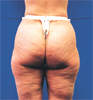

What is Cellulite?
Cellulite is the common term used to describe superficial pockets of trapped fat, which cause uneven dimpling or "orange"peel skin. Cellulite is mainly due to hormonal changes and toxin build up that makes the fat cells in your subcutaneous fat layer (the layer of fat directly below the skin) increase by up to 300 times their original size. Circulation is inhibited and toxins and water trapped instead of being flushed away naturally.

All tissue in the body is covered with padding of fatty connective tissue, varying in thickness and surrounded by a liquid that supplies the "covering" with nourishment and removes waste products.
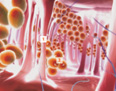
The fatty tissue is held in place by a network of fibres and when the system works well all waste products are removed in smooth body curves. When the waste removal system starts to fail, waste products start building up and the connective tissue becomes saturated with liquid. The waste removal system then becomes sluggish and is often inflamed and swollen. Growing adipocytes (fat cells) destroy the network made by elastin and collagen fibres, which then thickens and harden, pressing on the nerve ending, making cellulite painful under pressure.
Cellulite can often form in postnatal women and those who take birth control pills because the body's waste system can't eliminate the enormous flow of estrogen in the body. Cellulite can also develop after injury, where the circulatory system has been disturbed. A sedentary lifestyle can also lead to hardening of the connective tissue.